Table of Contents
- 1. What is Zoloft (sertraline)?
- 2. How SSRIs like Zoloft can affect blood pressure
- 3. Does Zoloft lower blood pressure? Short answer and clinical nuance
- 4. Research and clinical data on sertraline and blood pressure
- 5. Cardiovascular side effects to watch for
- 6. Drug interactions that can change blood pressure
- 7. Who’s at higher risk for BP changes on Zoloft
- 8. Managing blood pressure while taking Zoloft
- 9. When to call your doctor or seek emergency care
- 10. Practical takeaways for patients and prescribers
What is Zoloft (sertraline)?
Zoloft is the brand name for sertraline, a commonly prescribed selective serotonin reuptake inhibitor (SSRI) used to treat depression, anxiety disorders, obsessive-compulsive disorder (OCD), post-traumatic stress disorder (PTSD), and some other conditions. As an SSRI, sertraline increases serotonin availability in the brain, which helps stabilize mood and reduce anxiety symptoms for many patients. It’s one of the better-studied antidepressants with a generally favorable side-effect profile and is often a first- or second-line choice.
Depression and anxiety can have a significant impact on daily life, relationships, and overall well-being. Many patients rely on consistent treatment to help manage symptoms and maintain emotional balance. If prescribed by your healthcare provider, you can buy zoloft without prescription online through a trusted pharmacy and enjoy convenient access to this widely used medication.
How SSRIs like Zoloft can affect blood pressure
SSRIs primarily target serotonin transporters in the brain, but serotonin is also active in the cardiovascular and autonomic nervous systems. That means SSRIs can indirectly affect heart rate, vascular tone, and blood pressure. Effects are usually modest and tend toward neutral, but individual responses vary. Some mechanisms that can alter blood pressure include changes in autonomic balance (sympathetic vs parasympathetic), interactions with other drugs, and rare but serious syndromes like serotonin syndrome, which can cause dramatic blood pressure swings.
In practical terms, most patients on Zoloft will not experience clinically meaningful blood pressure drops. However, vulnerable populations (older adults, those on multiple medications, or people with existing cardiovascular disease) may notice orthostatic symptoms or hypotension. Monitoring and individualized risk assessment are the keys to safe prescribing.
Does Zoloft lower blood pressure? Short answer and clinical nuance
Short answer: usually no — Zoloft does not reliably lower blood pressure for most people. However, it can cause occasional decreases in blood pressure in some individuals, particularly orthostatic hypotension (a drop when standing up) and symptoms like dizziness or lightheadedness. Rarely, secondary effects such as hyponatremia (low sodium), dehydration from side effects, or drug–drug interactions can produce clinically significant hypotension. On the flip side, atypical responses including increases in blood pressure have been reported, especially with interactions (see below).
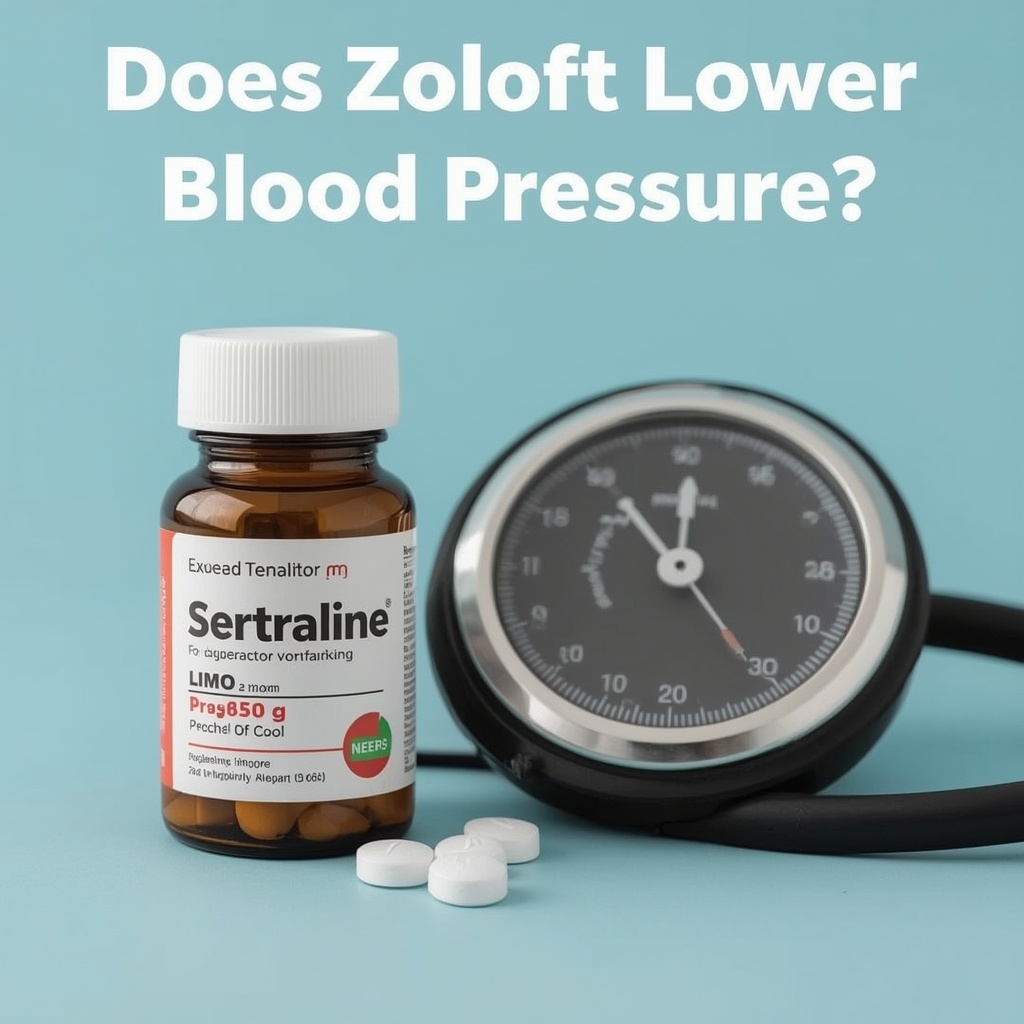
So, while the plain-language answer to “Does Zoloft lower blood pressure?” is “not typically,” clinicians should remain alert to individual variability. If you are starting Zoloft and already use antihypertensive medications or have a history of low blood pressure, your provider may advise closer monitoring during dose changes.
Research and clinical data on sertraline and blood pressure
Large clinical trials and post-marketing surveillance show that sertraline’s average effect on systolic and diastolic blood pressure is minimal. Meta-analyses of SSRIs generally find neutral to slightly variable cardiovascular effects. Most randomized controlled trials did not report consistent hypotension as a common adverse event for sertraline at usual therapeutic doses. However, case reports and pharmacovigilance databases record instances of orthostatic hypotension, fainting, and rare hypotensive episodes linked to sertraline, especially in older adults or those on interacting medications.
Evidence also shows that serotonin syndrome — though uncommon — can cause autonomic instability with rapid swings in blood pressure (both high and low). That’s an important context: when blood pressure changes occur suddenly and with other systemic signs (confusion, fever, tremor), urgent assessment is required. Overall, population-level data indicate low risk, but individual factors determine real-world outcomes.
Cardiovascular side effects to watch for
Sertraline’s cardiovascular side-effect profile is generally mild, but clinicians and patients should monitor for the following:
- Orthostatic hypotension: lightheadedness or dizziness when standing
- Tachycardia or palpitations
- Rare syncope (fainting)
- Autonomic instability as part of serotonin syndrome
Table 1 below summarizes common SSRIs and typical blood pressure effects to help compare risk at a glance.
| Drug | Typical blood pressure effect | Notes |
|---|---|---|
| Sertraline (Zoloft) | Generally neutral; occasional orthostatic hypotension | Well tolerated; monitor elderly and polypharmacy |
| Fluoxetine (Prozac) | Neutral to slight increase | Long half-life; interactions possible |
| Paroxetine (Paxil) | Neutral to slight decrease | Anticholinergic effects may contribute to orthostasis |
| Citalopram/Escitalopram | Neutral; cardiac conduction concerns at high doses | QTc effects more relevant than BP for safety |
Drug interactions that can change blood pressure
Drug interactions are a common pathway by which sertraline can indirectly alter blood pressure. Be alert to combinations that raise the chance of hypotension or hypertension:
- Antihypertensive drugs (ACE inhibitors, ARBs, beta-blockers, diuretics): combined effects may increase the risk of low blood pressure, especially when starting or uptitrating either drug.
- Alpha-blockers (used for prostate disease): can cause pronounced orthostatic hypotension when combined with SSRIs in sensitive patients.
- MAO inhibitors: absolute contraindication with SSRIs due to risk of serotonin syndrome and hypertensive crises.
- Drugs that alter sertraline metabolism (CYP2D6 inhibitors/inducers): may change sertraline levels and thereby shift side-effect risk.
Always review a patient's full medication list (including OTCs and supplements like St. John’s wort) before starting sertraline.
Who’s at higher risk for BP changes on Zoloft
Some people are more likely to experience blood pressure changes on sertraline. Risk factors include advanced age, dehydration, existing low blood pressure, multiple antihypertensive medications, cardiovascular disease, and polypharmacy with interacting drugs. Patients with impaired kidney or liver function may also have altered sertraline clearance, increasing adverse effect risk. Finally, recent switching between antidepressants or concomitant use of MAOIs elevates the danger of severe autonomic instability.
Table 2 outlines common risk factors and practical monitoring steps.
| Risk factor | Why it increases BP-change risk | Monitoring advice |
|---|---|---|
| Older age | Less autonomic reserve; more likely to be on multiple drugs | Check orthostatic vitals; consider lower starting dose |
| Concurrent antihypertensives | Potential additive hypotensive effects | Monitor BP during dose changes; coordinate care |
| Polypharmacy/CYP interactions | Altered sertraline levels can increase side effects | Review meds; adjust doses if needed |
| History of orthostatic hypotension | Already prone to drops in BP on standing | Teach slow position changes; verify home BP readings |
Managing blood pressure while taking Zoloft
Managing blood pressure when starting or adjusting Zoloft involves a mix of education, monitoring, and medication review. Counsel patients to report dizziness, fainting, or new palpitations. Simple steps can reduce risk and catch problems early:
- Measure baseline blood pressure (sitting and standing) before starting sertraline.
- Re-check BP within 1–2 weeks of starting or changing dose, and again after dose stabilization.
- Encourage hydration and slow position changes to reduce orthostatic symptoms.
- Review all prescription, OTC, and herbal medications for interactions.
- If on multiple antihypertensives, coordinate dosing schedules and consider minor dose adjustments with the prescriber.

If mild orthostatic hypotension occurs, nonpharmacologic measures (compression stockings, increased fluids, salt where appropriate) are often effective. Dose reduction or switching to a different antidepressant may be necessary if symptoms persist and impair function. Collaboration between primary care, psychiatry, and cardiology (when relevant) ensures balanced treatment of mood and cardiovascular risk.
When to call your doctor or seek emergency care
Be proactive about warning signs. Contact your provider promptly if you experience:
- Persistent dizziness, fainting, or falls after starting or changing Zoloft dose.
- New or worsening chest pain, shortness of breath, or palpitations.
- Very high blood pressure readings (e.g., systolic >180 mmHg or diastolic >120 mmHg) or symptoms of hypertensive crisis (severe headache, visual changes, confusion).
- Symptoms of serotonin syndrome: high fever, severe agitation, rapid heart rate, tremor, or sudden blood pressure swings.
For routine low-level symptoms, a same-week call or visit is reasonable; for severe or rapidly progressing signs, seek emergency care.
Practical takeaways for patients and prescribers
Does Zoloft lower blood pressure? For the majority of patients, sertraline does not produce a clinically meaningful drop in blood pressure. Rarely, orthostatic hypotension, hyponatremia-related drops, or interaction-driven changes can cause symptomatic low blood pressure. Individual factors — age, comorbidities, and concurrent drugs — matter more than the medication label.
Key practical steps: check baseline vitals, review medications for interactions, educate patients about orthostatic symptoms, and re-check BP after starting or changing dose. If problematic blood pressure changes occur, simple measures often help but dose adjustment or switching antidepressants might be necessary. When in doubt, coordinate care with the prescriber — safe management balances mental health benefits with cardiovascular vigilance.